
Interpretar esquemas hidráulicos y neumáticos: la competencia técnica que marca la diferencia
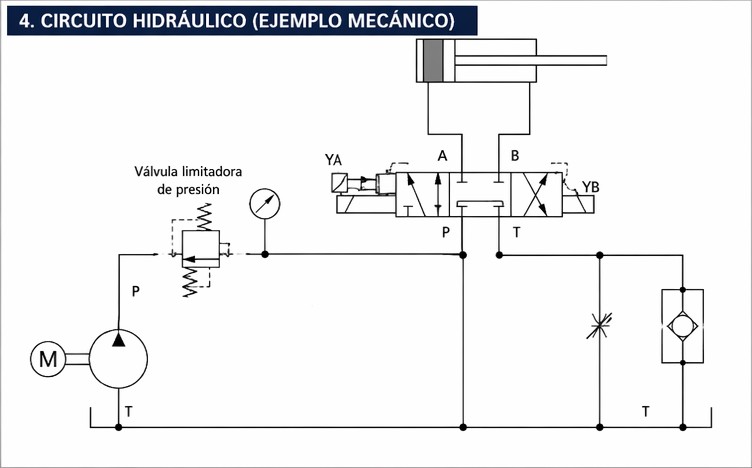
Hidráulica y neumática: dos tecnologías presentes en toda la industria
Los sistemas neumáticos destacan por su rapidez, simplicidad constructiva y facilidad de transporte del aire comprimido en redes extensas. Son habituales en automatización industrial, manipulación de piezas, packaging o maquinaria ligera.
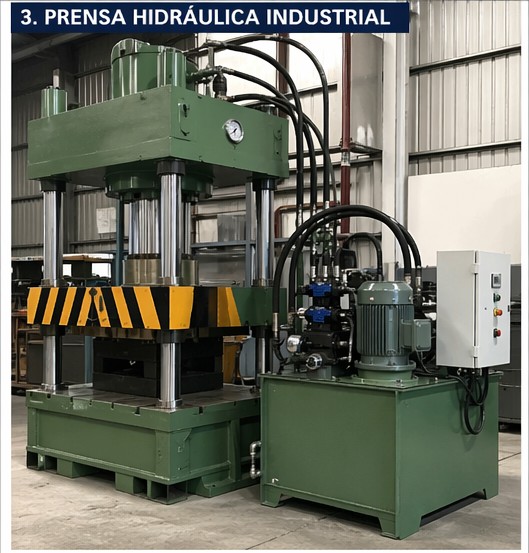
Los sistemas hidráulicos, en cambio, permiten transmitir grandes fuerzas con precisión y estabilidad, siendo imprescindibles en maquinaria pesada, sistemas navales, grúas, compuertas, válvulas de carga, maquinaria portuaria o equipos offshore.
For example:
- un cilindro neumático puede accionar una compuerta ligera
- un sistema hidráulico puede levantar toneladas con control preciso
Comprender estos sistemas significa comprender cómo se mueve la energía dentro de la máquina.
Interpretar simbología es interpretar el comportamiento del sistema
Uno de los mayores errores formativos tradicionales es aprender componentes de forma aislada.
Sin embargo, en la práctica profesional lo importante es:
interpretar el conjunto.
Bombas, acumuladores, distribuidores, válvulas antirretorno, reguladores de presión o actuadores no trabajan de forma independiente. Forman parte de un circuito funcional donde cada símbolo tiene significado operativo.
La simbología normativizada permite entender:
- entradas y salidas de fluido
- sentidos de circulación
- condiciones de reposo
- conmutaciones
- pilotajes
- retornos
- regulación de presión
- control de caudal
Y eso convierte un esquema en una herramienta de diagnóstico.
Interpretar esquemas mejora directamente la empleabilidad
Las empresas industriales valoran especialmente perfiles capaces de:
- comprender circuitos sin asistencia externa
- diagnosticar averías con rapidez
- interpretar documentación técnica
- intervenir con seguridad
- colaborar con ingeniería y mantenimiento avanzado
Esta competencia marca la diferencia entre:
operador de máquina
y técnico con autonomía funcional.
Formación técnica que se traduce en seguridad y autonomía
Interpretar correctamente un esquema significa:
trabajar con criterio técnico.
Permite:
- anticipar comportamientos del circuito
- evitar maniobras incorrectas
- reducir averías
- intervenir con confianza
- mejorar rendimiento profesional
Es una de las competencias más rentables para cualquier técnico industrial o naval.
La interpretación de válvulas distribuidoras: el punto clave que diferencia a un técnico formado
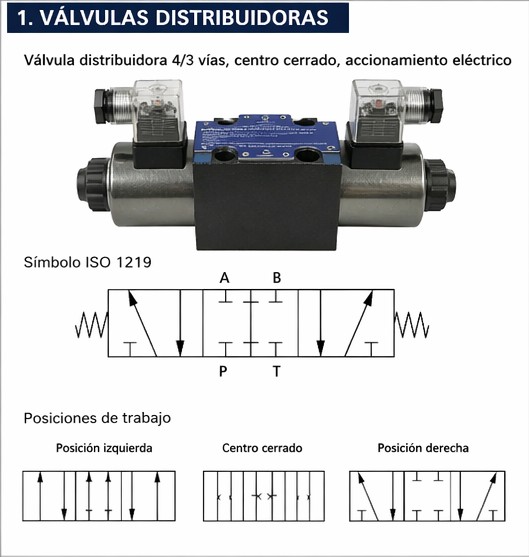
Dentro de cualquier esquema hidráulico o neumático, el elemento más determinante suele ser el distribuidor.
Estas válvulas controlan:
- qué actuador se mueve
- en qué sentido
- en qué momento
- con qué presión
- y bajo qué condición de mando
Por eso su comprensión es imprescindible.
El curso trabaja desde distribuidores simples 2/3 vías hasta configuraciones más complejas 4/3 vías con distintas posiciones funcionales y tipos de accionamiento (manual, eléctrico o pilotado).
Este conocimiento es directamente aplicable en mantenimiento real.
Sectores donde esta competencia es especialmente valiosa
Interpretar esquemas hidráulicos y neumáticos aporta ventajas inmediatas en:
Industria naval
Sistemas habituales:
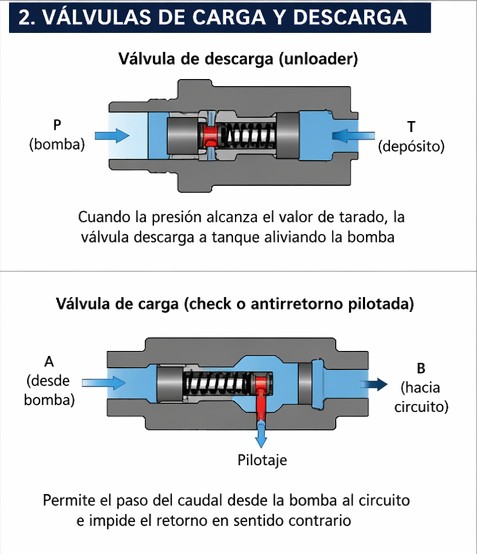
- válvulas de carga y descarga
- sistemas de gobierno
- grúas
- maquinillas
- compuertas
- circuitos auxiliares
Muchos de ellos funcionan mediante estaciones hidráulicas con acumuladores, bombas redundantes y válvulas de seguridad.
Comprender estos esquemas reduce errores críticos.
Mantenimiento industrial
Especialmente relevante en:
- líneas automatizadas
- maquinaria CNC
- sistemas de prensado
- manipulación neumática
- robots industriales
- maquinaria de envasado
Aquí la capacidad de interpretar esquemas reduce tiempos de intervención.
Calderería, metal y fabricación pesada
Donde los sistemas hidráulicos gobiernan:
- prensas
- plegadoras
- cizallas
- manipuladores
- mesas elevadoras
Sin interpretación de esquemas no existe diagnóstico eficaz.
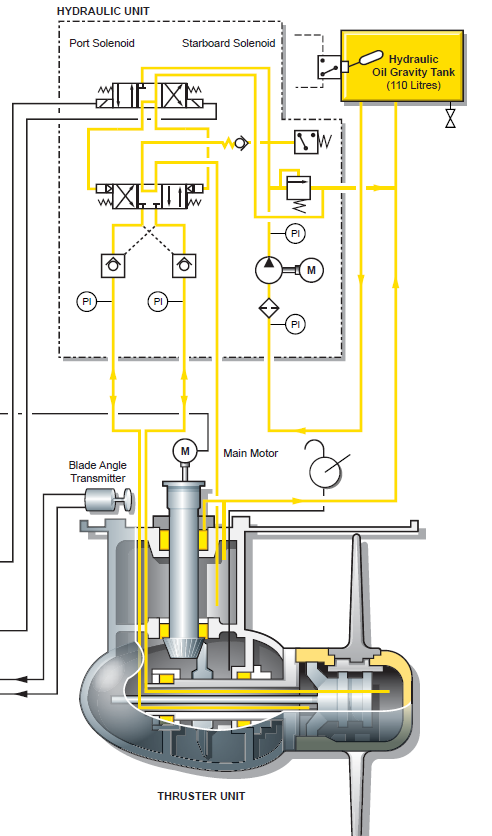
Un curso diseñado para aprender como se trabaja en la realidad
El curso de interpretación de esquemas oleohidráulicos y neumáticos de Technical Courses sigue una metodología progresiva:
1️⃣ Introducción clara a hidráulica y neumática
2️⃣ Simbología normativizada industrial
3️⃣ Interpretación funcional de circuitos
4️⃣ Comprensión de distribuidores
5️⃣ Ejercicios prácticos reales
6️⃣ Evaluación mediante test y prácticas aplicadas
El aprendizaje está organizado desde nivel básico hasta lectura técnica operativa completa del esquema, siguiendo la estructura utilizada en formación profesional industrial real.
The assessment is carried out through theoretical and practical tests, also in online format. Upon passing the course with a minimum grade of five, the corresponding diploma is issued.
The course is delivered online via our virtual campus, in a convenient and flexible environment that eliminates the need for travel and the rigid timetables associated with face-to-face learning. It also features a range of communication tools that enable students to stay in touch with their tutors and fellow students, thereby ensuring effective learning and a high level of student engagement.
- Aunque Technical Courses no gestiona directamente la bonificación de cursos por FUNDAE, proporcionamos toda la información requerida.