
How to diagnose faults in outboard engines: maintenance and operation for marine mechanics
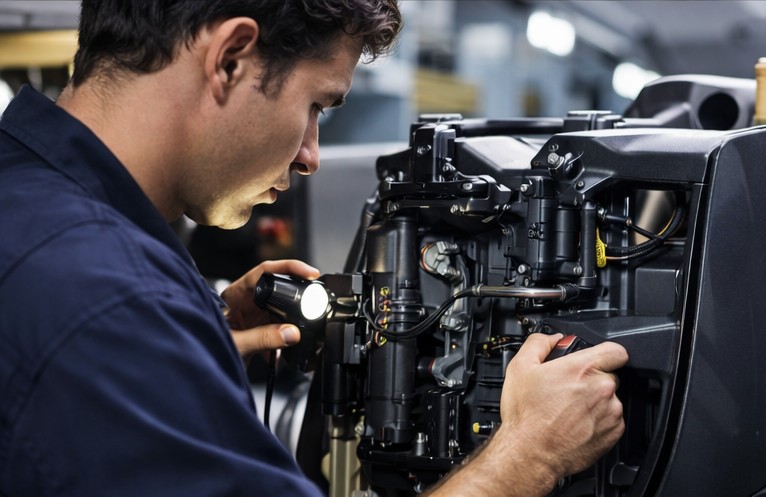
Outboard engines have become one of the most widely used propulsion systems in recreational craft, commercial fishing vessels, harbour workboats and light transport vessels. Their versatility, ease of installation and power make them indispensable on thousands of vessels worldwide.
However, their apparent simplicity can lead to a misconception: that they are easy to maintain and diagnose. The reality is that modern outboard motors incorporate increasingly complex fuel, ignition, cooling and electronic control systems. Therefore, a thorough understanding of how they work is key to preventing breakdowns and ensuring reliable performance.
In the marine sector, expertise in the maintenance and diagnosis of these engines has become an increasingly sought-after skill.
On commercial or fishing vessels, where the engine is a critical component, a failure can result in significant financial losses or dangerous situations at sea.
Most faults that occur in outboard motors are not due to manufacturing defects or serious design flaws. In most cases, the problems arise because:
- Inadequate or incorrect maintenance
- Use of unsuitable fuels
- Faults in the cooling system
- Problems with the fuel system
- Premature wear of components
- Prolonged periods of inactivity without adequate preparation
Understanding how an outboard motor works
In order to carry out effective maintenance or diagnose a fault correctly, the first step is to understand how an outboard motor works and what systems it comprises.
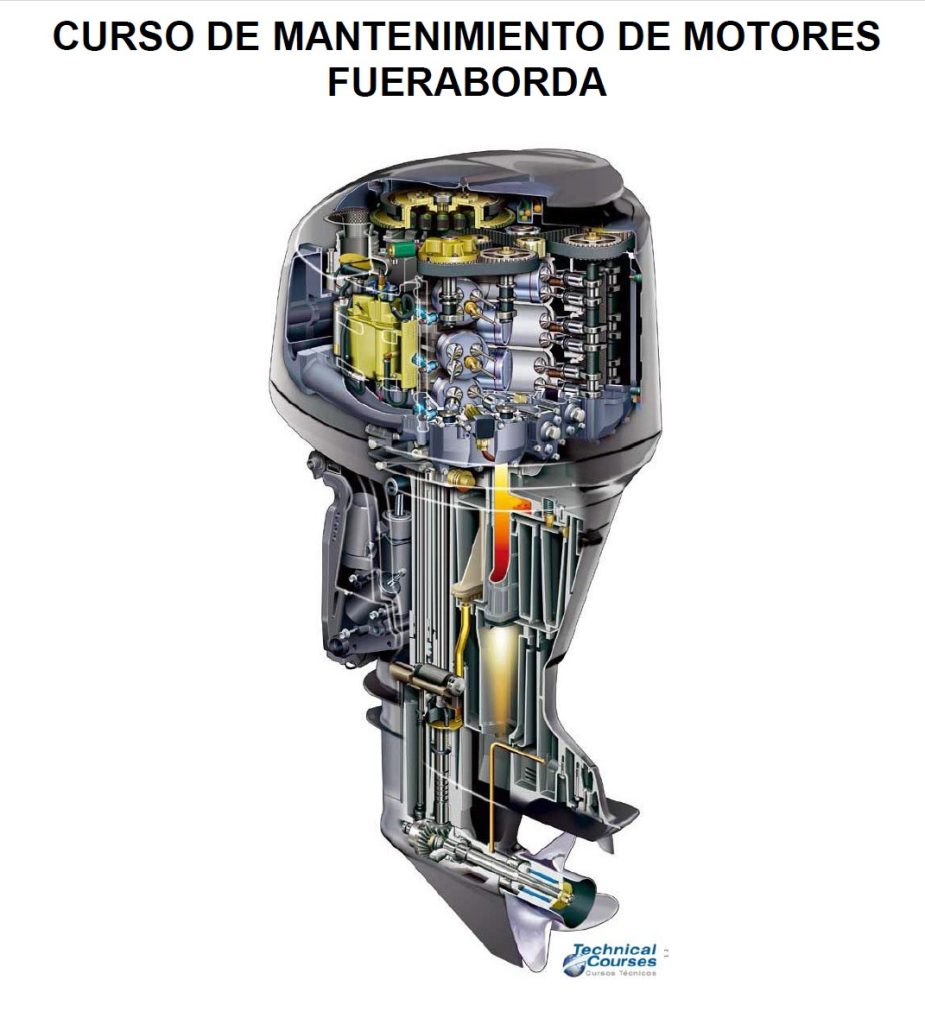
The main systems include:
1. Feeding system
Responsible for supplying the air-fuel mixture to the engine under the correct conditions. A fault in this system can lead to a loss of power, starting problems or irregular running.
2. Ignition system
Responsible for generating the spark that ignites the fuel in the cylinder. Problems with this system often result in starting difficulties, irregular combustion or a loss of performance.
3-Cooling system
Outboard motors use water from the surrounding environment to dissipate the heat generated during operation. A fault in this system can lead to overheating, which is extremely dangerous for the engine.
4. Lubrication system
Designed to reduce wear between the engine’s moving parts. Incorrect maintenance can cause serious damage to internal components.
5-Propulsion system and propeller
The power generated by the engine is transmitted to the propeller via a gear system. Problems with this component can cause vibrations, a loss of thrust or unusual noises.
Understanding how all these systems interact is essential for making reliable diagnoses.
Fault diagnosis: a technical process
One of the most common mistakes in engine repairs is replacing parts without having properly identified the root cause of the problem.
The technical diagnosis must follow a structured methodology that enables:
- Diagnose engine faults
- Identify the possible causes
- Carry out routine checks
- Identify the actual cause of the fault
Some of the most common symptoms that may indicate a problem include:
- Difficulty starting up
- Loss of power
- Abnormal vibrations
- Overheating
- Excessive fuel consumption
- Ignition faults
A qualified professional should be able to interpret these symptoms and link them to the engine systems.
Preparing for periods of inactivity
Another key aspect of outboard motor maintenance is preparing the engine for prolonged periods of inactivity, commonly known as winter storage.
When an engine is left idle for months without proper maintenance, problems such as the following may arise:
- Blockage of the fuel system
- Internal corrosion
- Degradation of oils and lubricants
- Deterioration of rubber or plastic components
Carrying out these steps correctly will ensure that the engine runs smoothly again at the start of the next season.
Technical training for the nautical sector
The increasing complexity of modern outboard engines means that technical training is becoming increasingly important for professionals in the marine sector.
The Outboard Engine Maintenance Course Technical Courses is designed to provide the necessary knowledge to:
- Understanding how the engine works
- Carry out maintenance work in accordance with technical guidelines
- Diagnosing faults systematically
- Interpreting engine behaviour under different operating conditions
The course is aimed at both industry professionals and technicians wishing to specialise in marine mechanics.
A skill that is increasingly in demand
The growth of recreational boating, commercial fishing and workboats has increased the demand for qualified outboard engine maintenance technicians.
Mastering these skills enables you to:
- Working in boat repair workshops
- Carrying out maintenance on commercial vessels
- Reduce repair times
- Improving equipment reliability
In a sector where safety and operational efficiency are paramount, technical expertise makes the difference between acting on intuition and acting with professional judgement.
Further related information: Types of outboard motors
The assessment is carried out through theoretical and practical tests, also in online format. Upon passing the course with a minimum grade of five, the corresponding diploma is issued.
The course is delivered online via our virtual campus, in a convenient and flexible environment that eliminates the need for travel and the rigid timetables associated with face-to-face learning. It also features a range of communication tools that enable students to stay in touch with their tutors and fellow students, thereby ensuring effective learning and a high level of student engagement.